
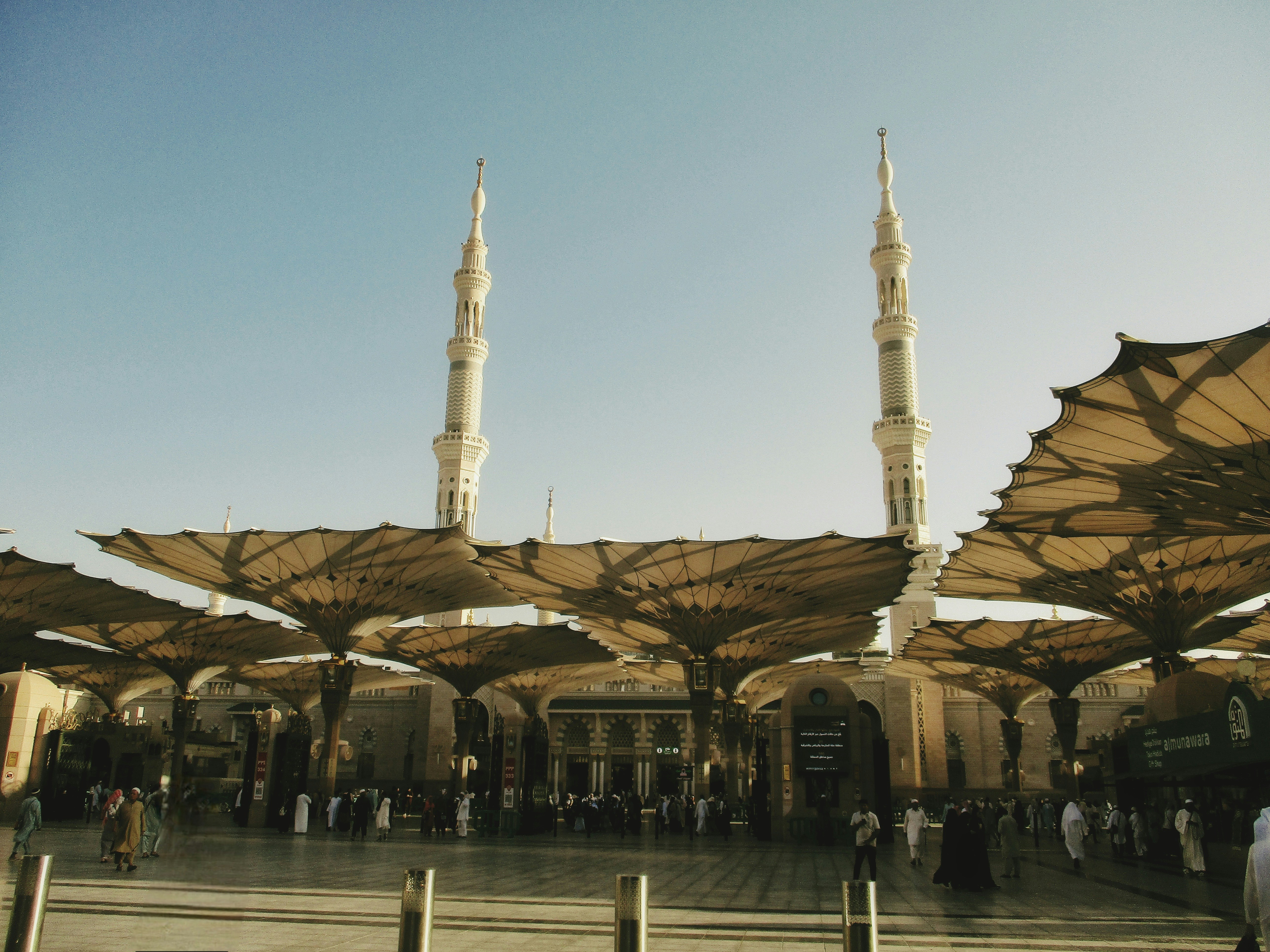
Why connectivity matters during Umrah and Hajj
For many pilgrims, mobile connectivity has become an important part of travelling to Saudi Arabia for Umrah or Hajj.
Modern pilgrimage travel now relies heavily on mobile apps, digital bookings, maps, transport services and messaging platforms throughout the journey. Whether arriving in Jeddah, travelling between Makkah and Madinah or navigating crowded areas during peak periods, having reliable mobile data can make travelling significantly easier.
Many travellers now choose eSIMs before departure so they can stay connected immediately after landing without needing to search for local SIM cards at the airport.
Using travel apps in Saudi Arabia
Many of the apps travellers rely on during Umrah and Hajj work primarily through mobile data rather than traditional calls or SMS.
Pilgrims regularly use:
- Google Maps and navigation apps
- Ride hailing services such as Uber and Careem
- Hotel and transport booking apps
- Translation tools
- WhatsApp and messaging services
- Official pilgrimage apps and digital services
In practical terms, reliable mobile data often becomes one of the most important parts of staying organised while travelling through Saudi Arabia.
The Nusuk app and official digital services
Saudi Arabia increasingly uses digital platforms to help manage pilgrimage travel and services.
The official Nusuk platform is now widely used across different parts of the Umrah and Hajj journey, including permits, bookings and access to certain pilgrimage related services. The app also helps travellers manage parts of their trip digitally and access updated information while in the Kingdom.
For this reason, many travellers prefer having a stable mobile data connection available throughout their stay rather than relying entirely on public Wi Fi networks.
Staying connected with family and groups
Group travel is common during both Umrah and Hajj, and many pilgrims rely heavily on messaging apps to stay in contact with family members, guides and travel groups throughout the trip.
Apps such as WhatsApp and FaceTime are commonly used for messaging and calls through mobile data connections.
This becomes particularly useful in crowded areas where separating temporarily from a group can happen easily during busy periods.
How much data do pilgrims usually use?
Data usage varies significantly depending on travel style and trip length.
Travellers mainly using maps, messaging and occasional browsing may not require extremely large plans. However, usage often increases quickly during longer stays, especially when regularly uploading photos, making video calls or using navigation throughout the day.
Many pilgrims also use their phones heavily during airport transfers, intercity travel and hotel check ins, where access to mobile data can make the journey much smoother.
Using an eSIM before arriving in Saudi Arabia
One advantage of eSIMs is that many plans can be installed before departure and activated once you arrive in Saudi Arabia.
This allows travellers to access data shortly after landing rather than needing to search for local SIM providers inside airports or shopping centres.
For pilgrims arriving after long flights or travelling in groups, having connectivity available immediately can reduce a significant amount of stress during arrival and transfers.
Do you need calls and SMS during Umrah or Hajj?
Many travel eSIMs are data only, which is perfectly suitable for a large number of travellers.
Messaging apps, navigation tools and transport services all primarily rely on mobile data today, and many pilgrims communicate entirely through internet based apps during their trip.
However, some travellers may still prefer plans that include traditional calls or SMS depending on their travel preferences and how they normally communicate abroad.
If telephony features are important for your trip, advanced comparison filters can help identify plans that include additional calling or SMS support.
Choosing the right eSIM for Saudi Arabia
The right plan depends largely on the length of your stay, how heavily you use your phone and whether you expect to rely on mobile data throughout the day.
Some travellers prefer smaller plans for shorter trips with regular hotel Wi Fi access, while others choose larger or unlimited plans for longer stays and heavier usage.
Comparing coverage, data allowance, validity period and network support before travelling can help you choose a more suitable option for your journey.
Final thoughts
Mobile connectivity has become an increasingly important part of modern Umrah and Hajj travel.
From navigation and transport to official digital services and communication with family members, many parts of the pilgrimage journey now rely heavily on mobile data access throughout Saudi Arabia.
For many travellers, installing an eSIM before departure offers a simple way to stay connected throughout the journey while reducing the need to organise local SIM cards after arrival.
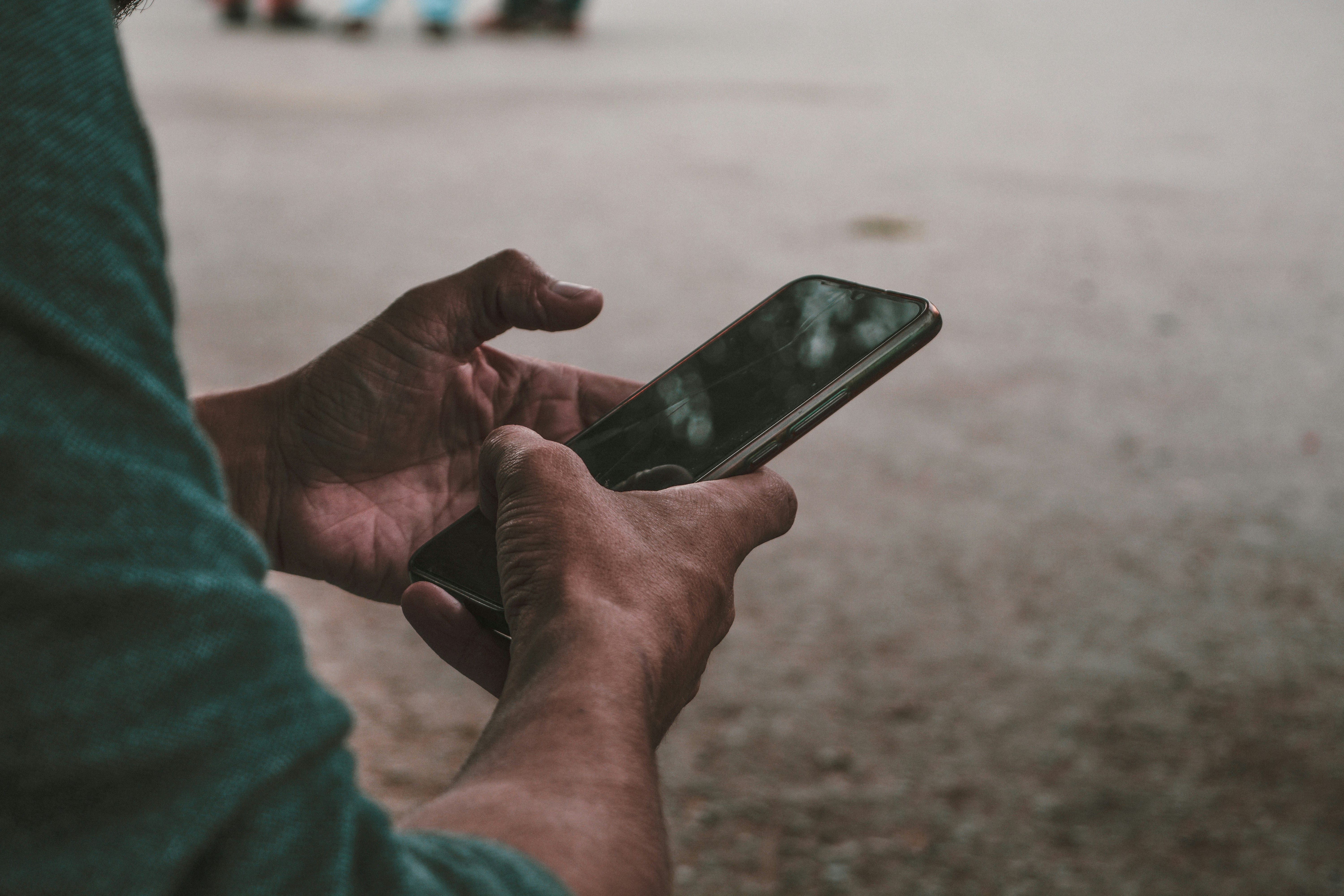
.jpg)
.jpg)